
Eng. Ahmed Alaredhi: urban success is measured by the quality of life and the opportunities it brings people, as well as by what is built
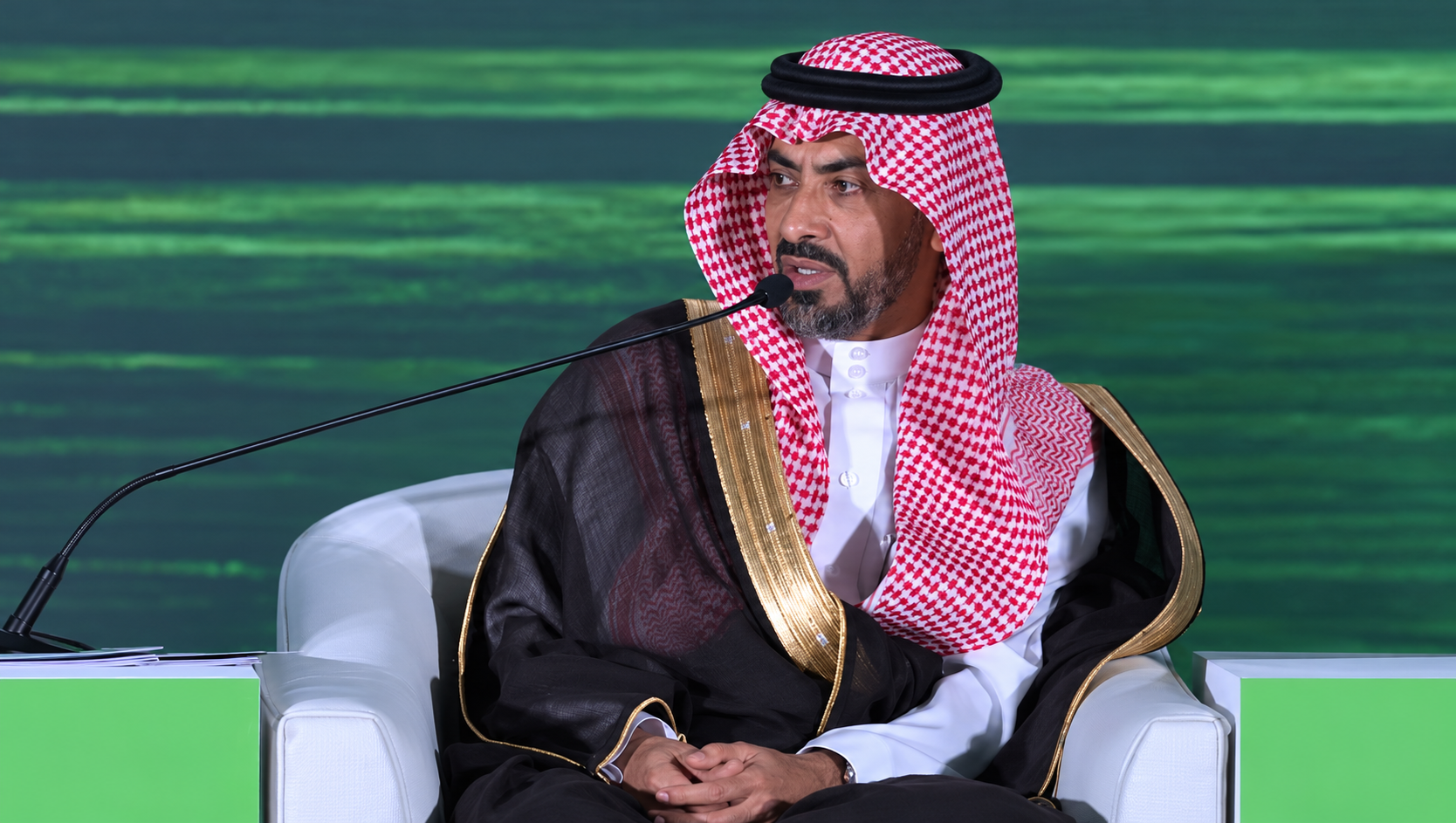
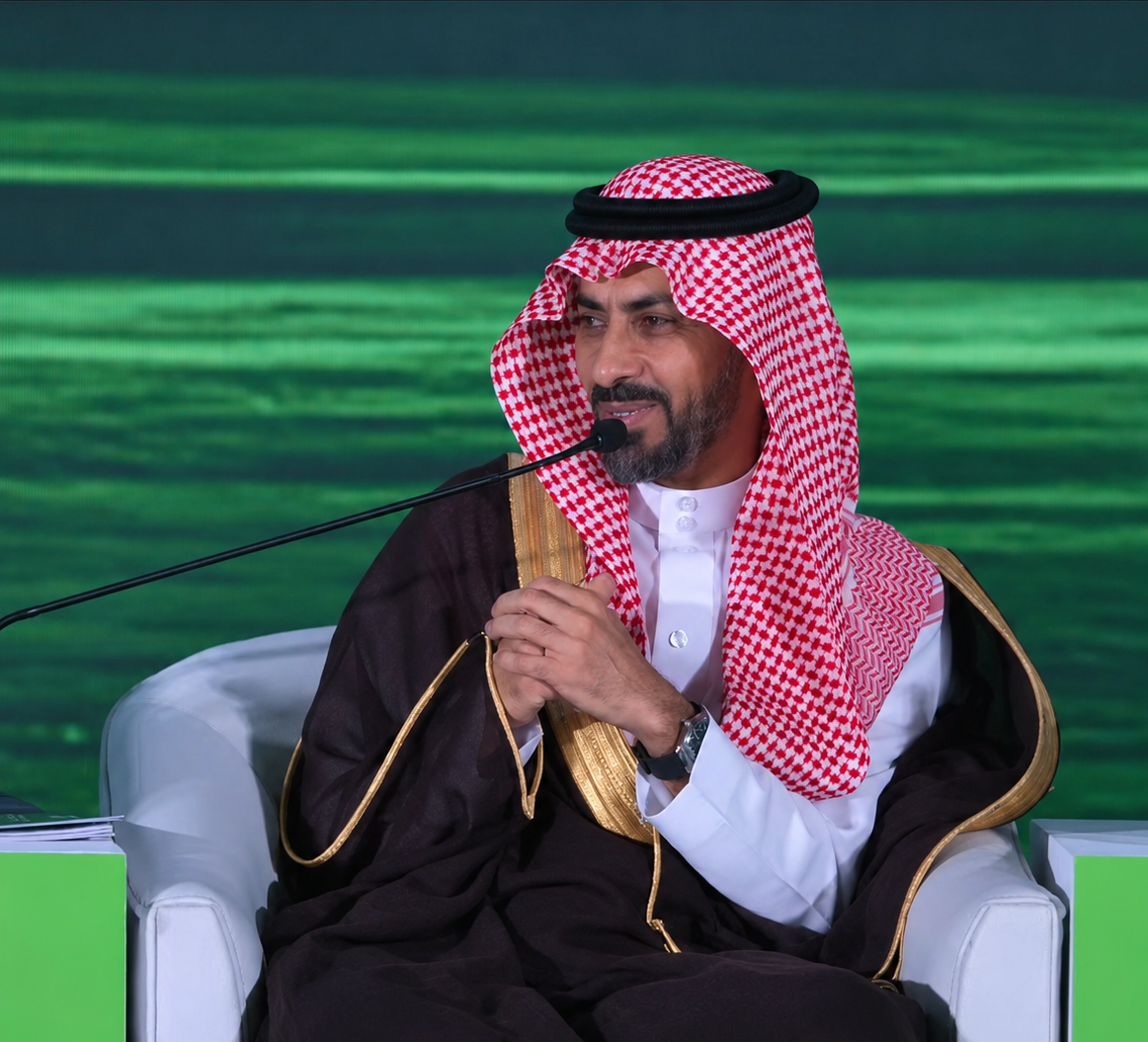
Riyadh: Eng. Ahmed Alaredhi, Chief Customer Experience Officer at Jeddah Central Development Company, said that the success of urban development extends beyond constructing buildings and facilities to the quality of life it delivers, the economic and community opportunities it opens, and the lasting impact it leaves on people’s lives.
He was speaking at the fourth session, Urbanism for People, at the Future of the Non-Profit Sector Forum 2026, held at the KAFD Conference Center in Riyadh. The session discussed the role of urban development in creating economic opportunity, raising quality of life and building more connected, sustainable communities.
The session was moderated by Princess Noura bint Turki bin Abdullah Al Saud, Co-Founder of Ayoun Community Endowment, and brought together Khalid Al-Bakr, Chief Executive Officer of the Quality of Life Program; Eng. Saad bin Mohammed Al-Qarni, Chief Executive Officer of ROSHN Foundation; Dr. Mishari Al-Naim, Secretary-General of the Abdullatif Al Fozan Award for Mosque Architecture; and Eng. Ahmed Alaredhi.
Alaredhi explained that Jeddah Central’s urban vision starts from people and their experience of the place, bringing together public spaces, cultural, entertainment and sports experiences, and a strong connection to Jeddah’s maritime and cultural identity, to offer residents and visitors an integrated urban experience.
“The value of a place lies in what it offers people, as much as in what it contains,” Alaredhi said, noting that public spaces are places to meet, connect and belong, and that good planning shows in how easily people reach a place, the variety of experiences it offers and its ability to meet the needs of every part of the community.
Jeddah Central reflects this approach by dedicating 40% of its total area to green and public spaces, with a 2.1 km public beach and a 9.5 km waterfront, alongside four landmarks: the Opera House, the Oceanarium, the Stadium and the Museum, offering a range of cultural, entertainment, tourism and sports experiences within one integrated urban destination.
On urban identity, Alaredhi said that developing a city means carrying its memory forward, explaining that Jeddah’s identity goes beyond architectural form to include its relationship with the sea, its culture, its crafts and its social memory. The challenge, he added, is to keep these elements present in a contemporary experience that embraces future aspirations while preserving the city’s spirit.
He also stressed the importance of collaboration between developers, the relevant authorities and the non-profit sector in strengthening community impact, explaining that non-profit organisations can contribute, within their remit and capabilities, to cultural, educational, environmental and volunteering programmes and to greater community participation, through partnerships with clear and measurable roles.
Alaredhi concluded that assessing the success of urban developments extends beyond construction and delivery indicators to measures that reflect people’s experience, such as use of public spaces, beneficiary satisfaction, accessibility and community participation. “A finished building marks one stage of achievement; complete value shows in people’s experience,” he said.
Jeddah Central Development Company’s participation in the forum underlines the importance of an integrated urban vision that places people at the heart of planning and brings the roles of different sectors together, helping build a higher-quality, more sustainable urban environment and strengthening Jeddah’s bond with its sea, its identity and its future.